Reimagining Soil Through 3D Scanning, Digital Preservation, and Additive Manufacturing
Soil is one of the most important yet overlooked components of Earth’s ecosystem. Beneath our feet exists a complex world that supports biodiversity, regulates water systems, stores carbon, and enables life to flourish. Despite its importance, soil often remains invisible to the public, perceived simply as dirt rather than as a living, dynamic environment.
GRIT for WDKA Minor Data Design
Year: 2023
AI, 3D Modeling, 3D Printing
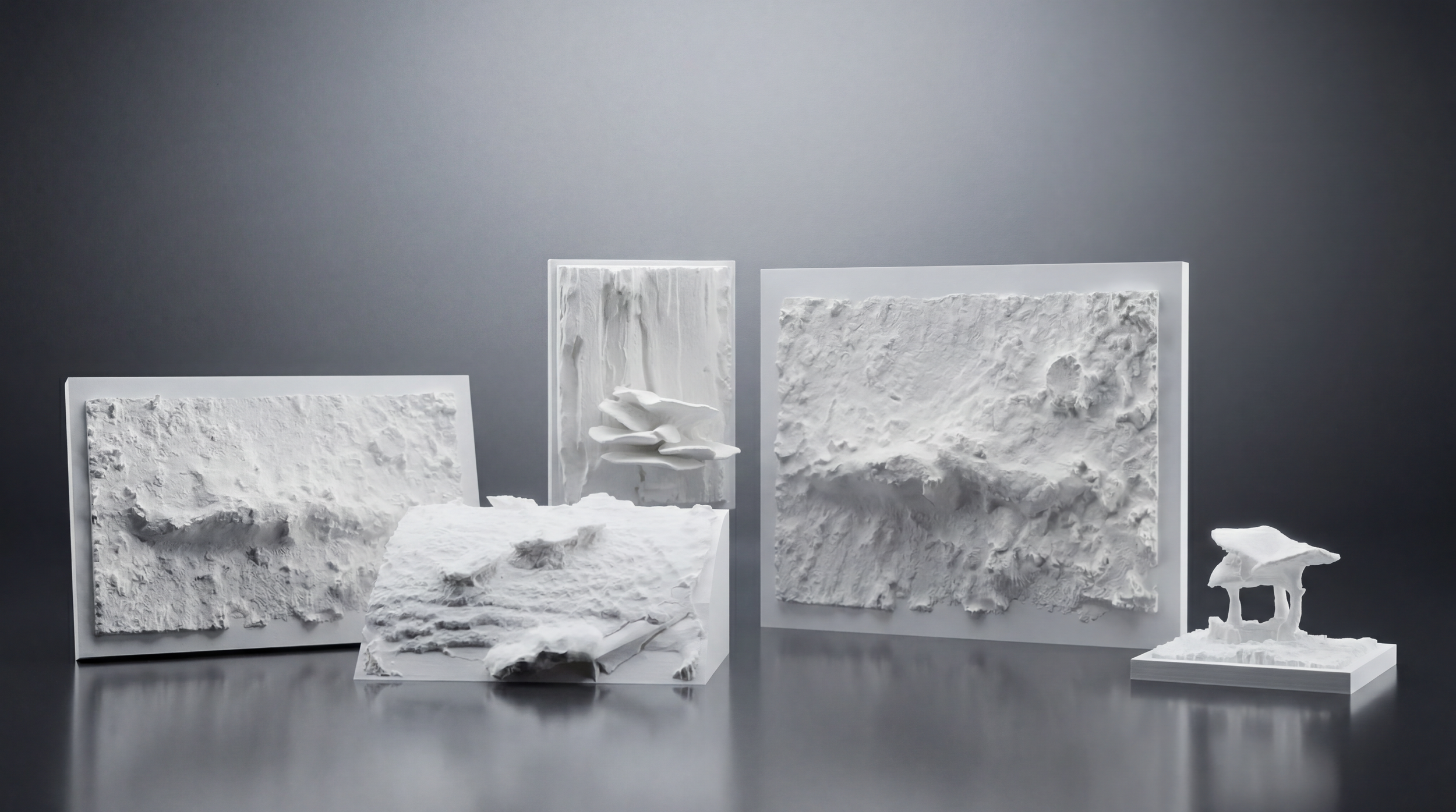
The project set out to address a simple question:
How can we encourage people to look more closely at something they rarely notice?
Soil is difficult to exhibit and preserve in traditional ways. Its fragile structure, organic composition, and constantly changing nature make it challenging to communicate its significance to a wider audience. At the same time, many people associate soil with dirt and contamination rather than life, growth, and ecological importance.
The challenge was to create a visual and tactile experience that would encourage audiences to engage with soil from a completely new perspective.
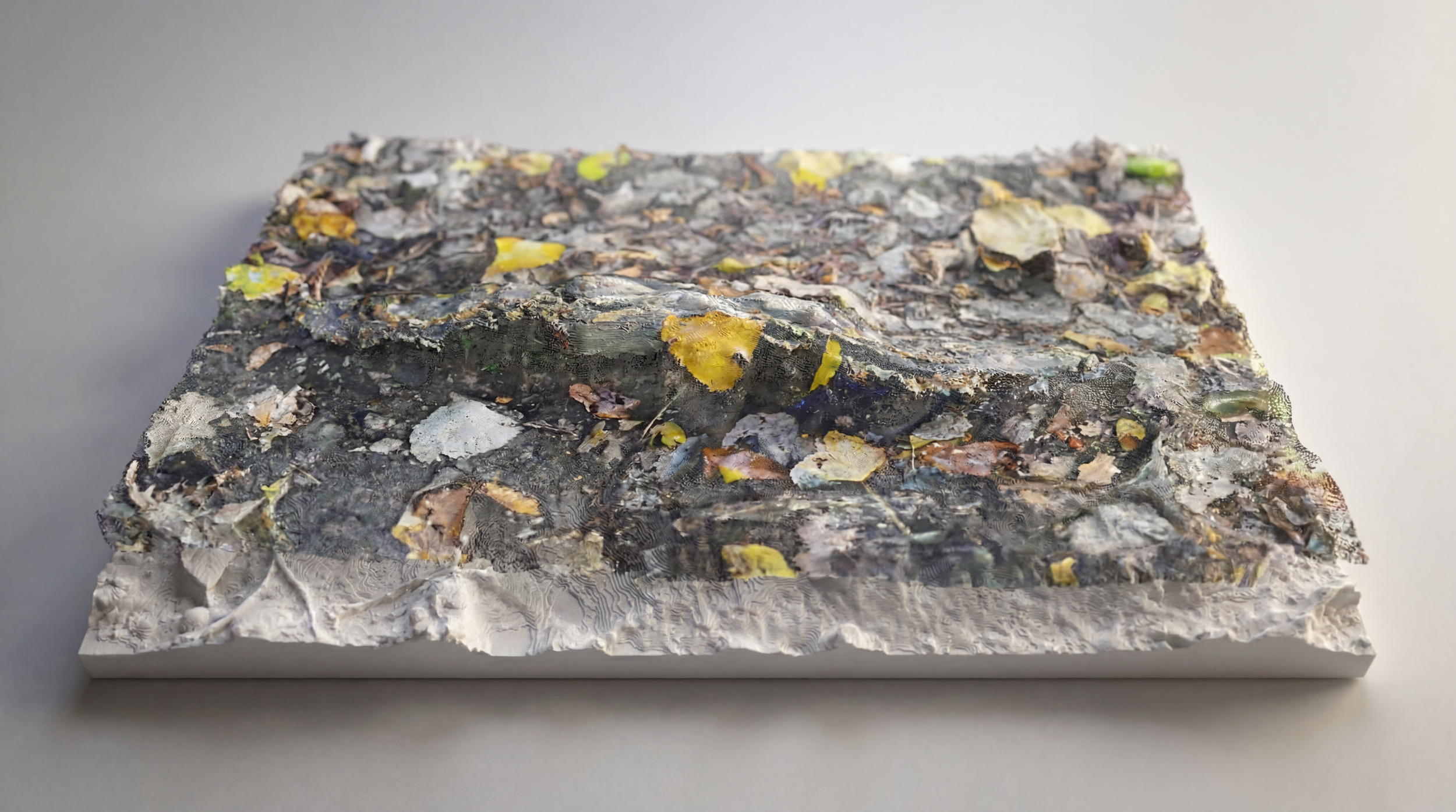
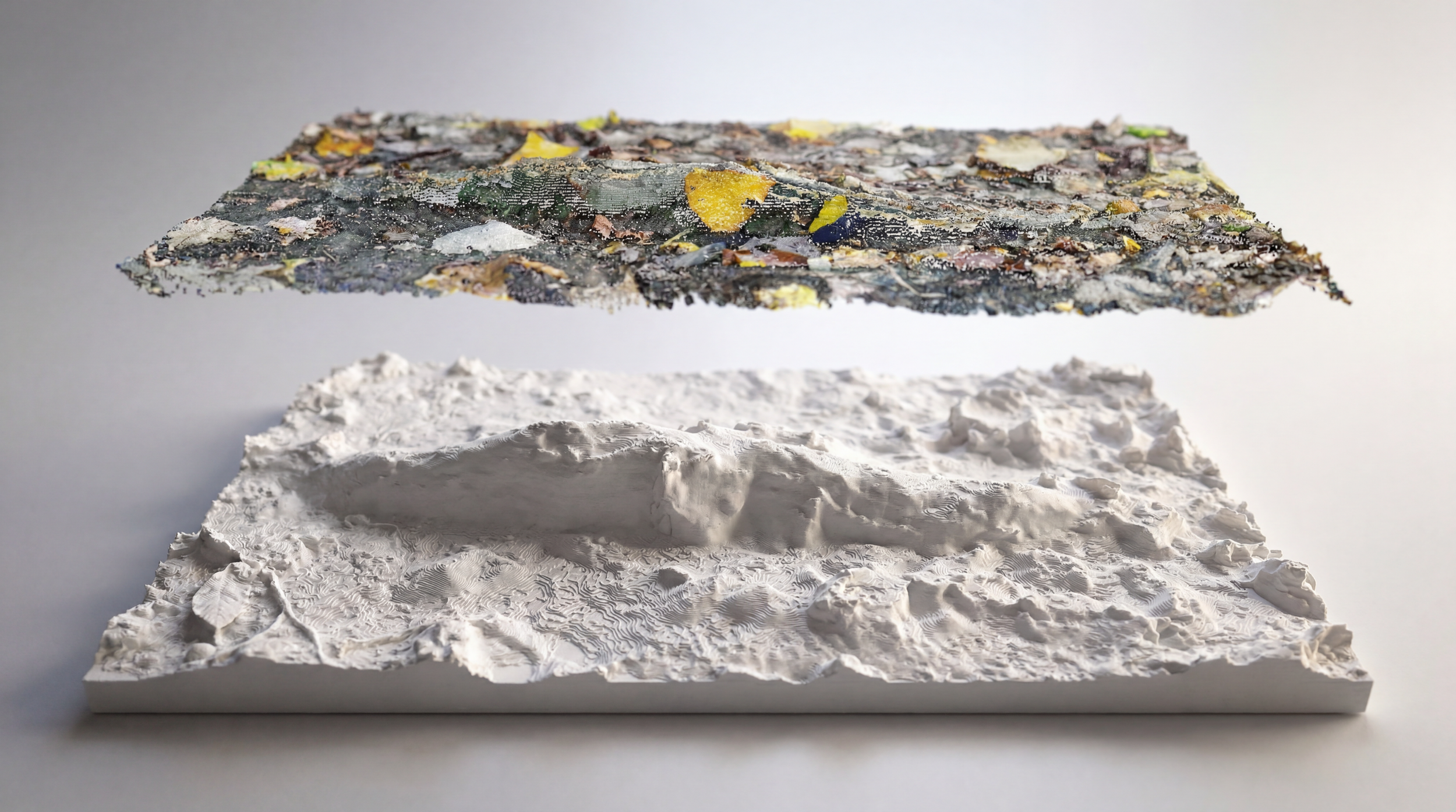
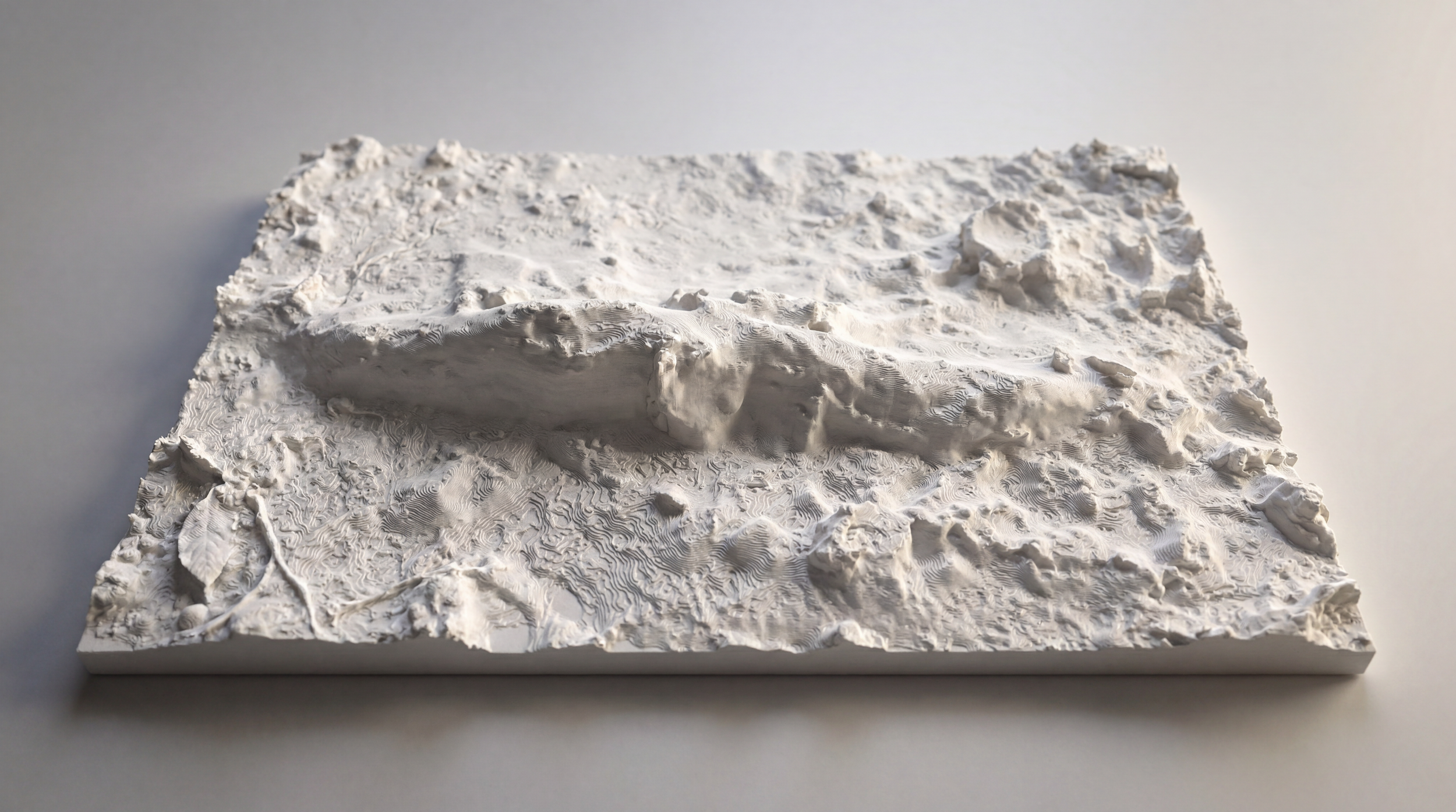
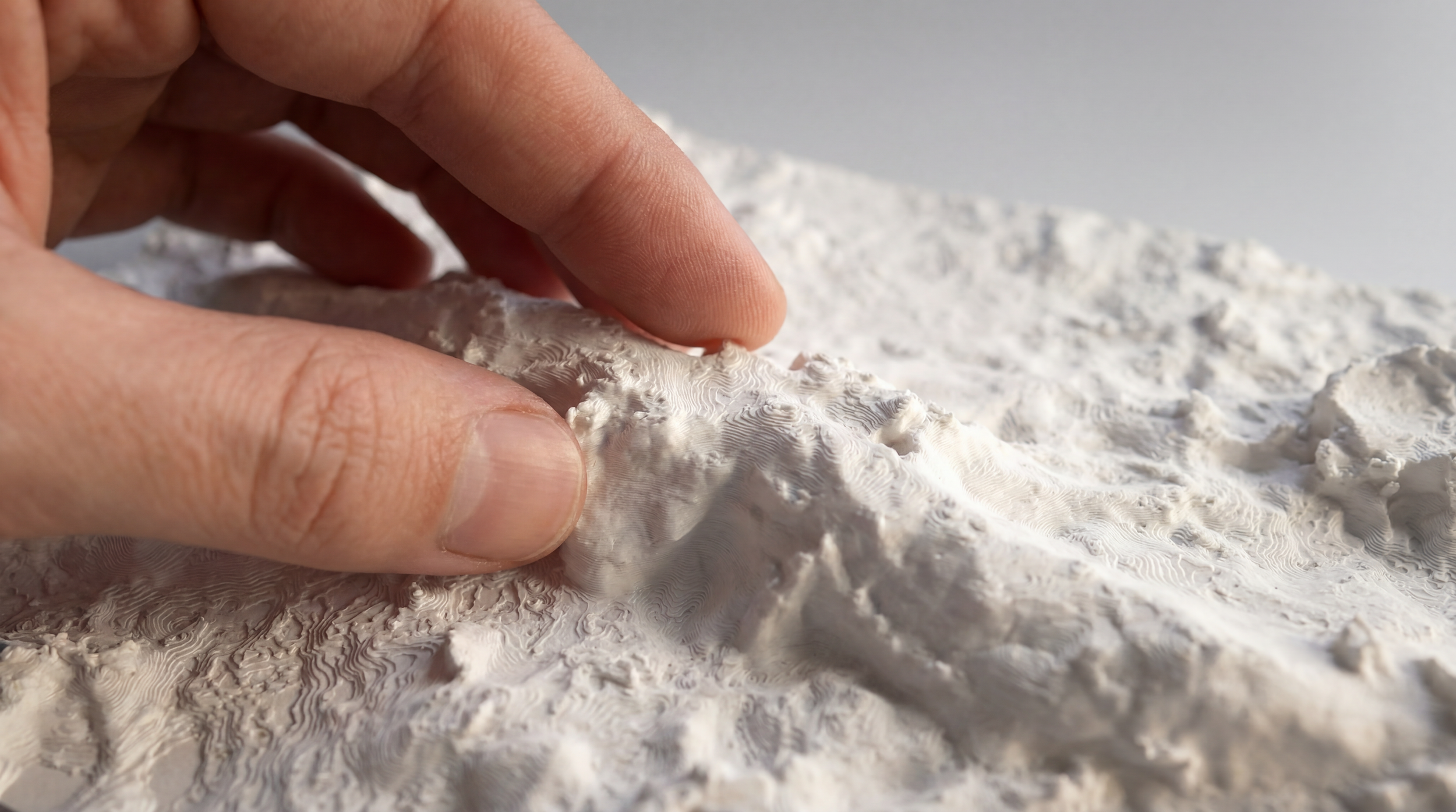
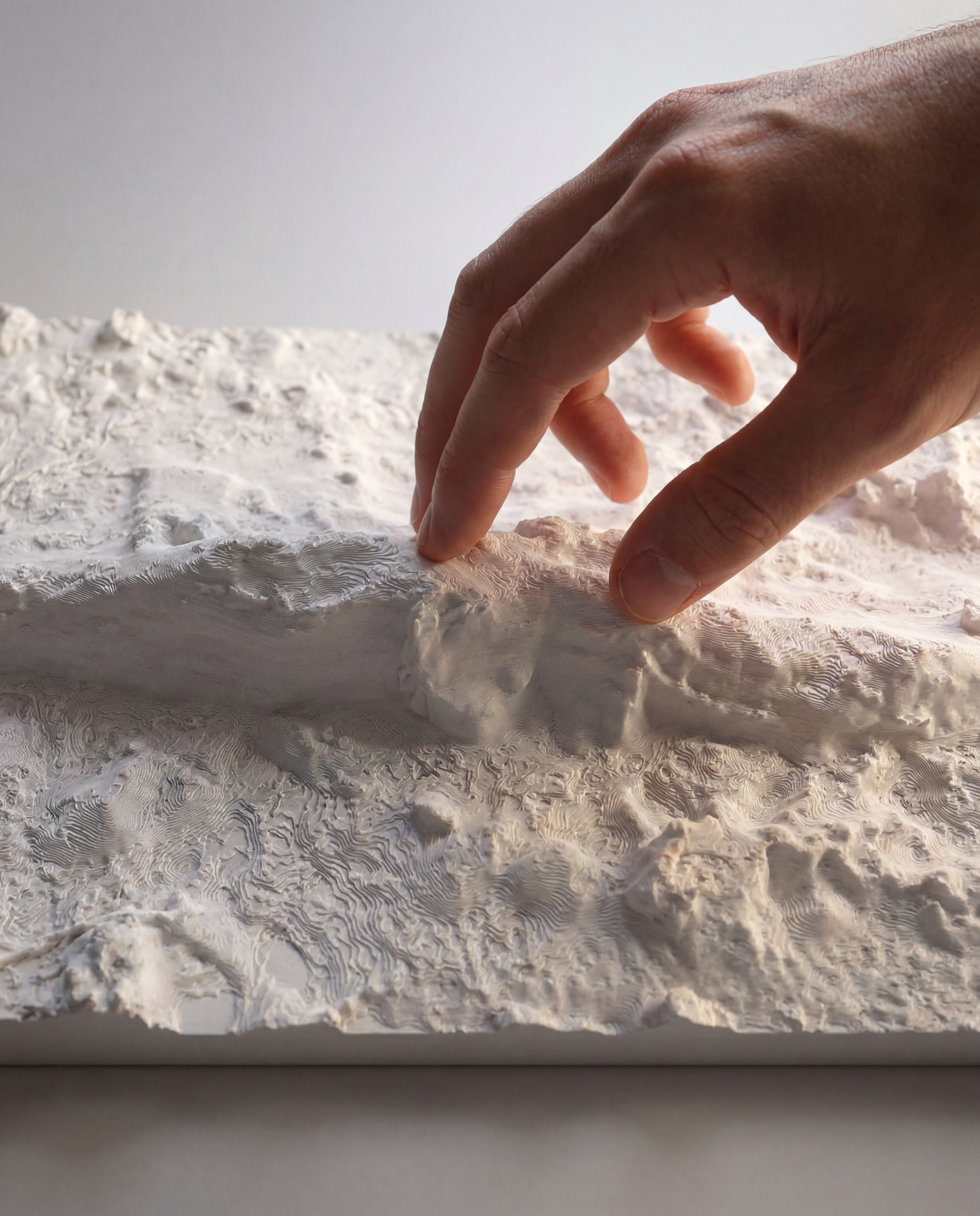
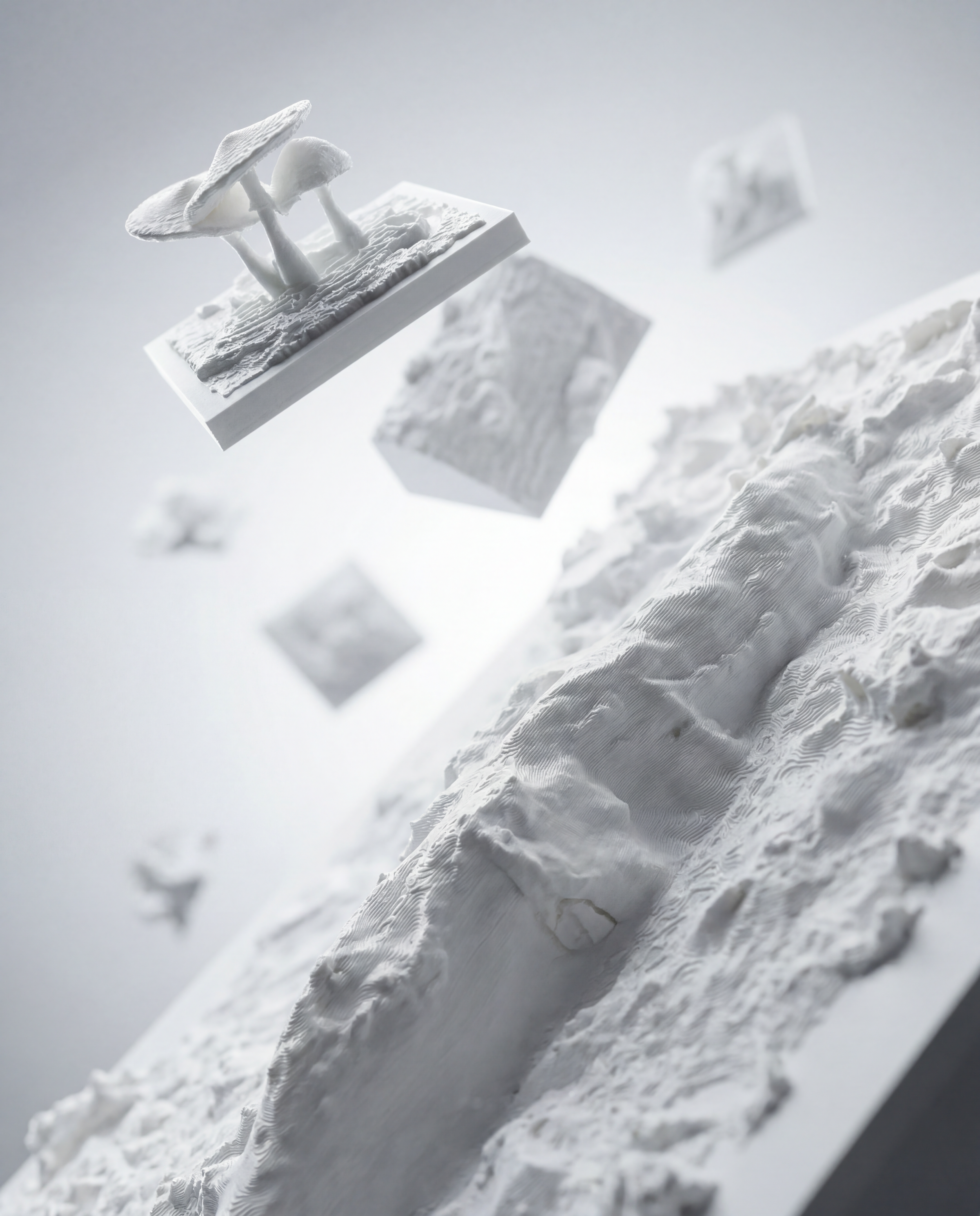
Using a combination of AI image generation, 3D scanning, digital modelling, and additive manufacturing, physical soil samples were transformed into a series of sculptural 3D printed objects.
The process began by capturing soil specimens through Polycam 3D scanning, creating detailed digital representations of their forms and structures. These scans were then converted into editable 3D models and further explored through digital manipulation and analysis. AI-generated imagery was used alongside the scanning process to investigate new visual interpretations of soil and its hidden biological systems.
While the act of digitization inevitably removes certain natural characteristics such as texture, moisture, and microscopic detail, it simultaneously creates new opportunities. Once translated into polygons and digital geometry, soil can be examined, dissected, archived, reproduced, and shared in ways that would be impossible with the original material alone.
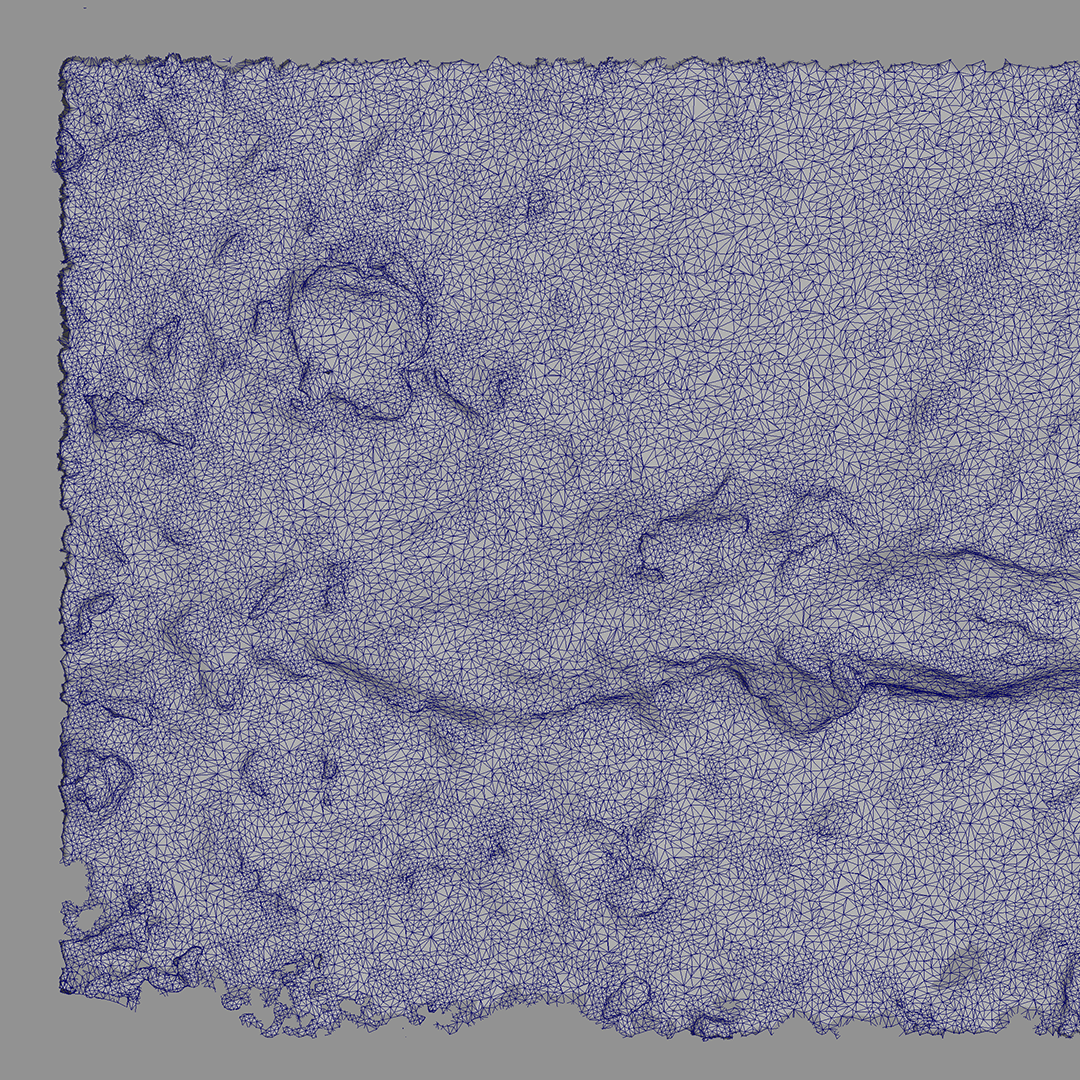
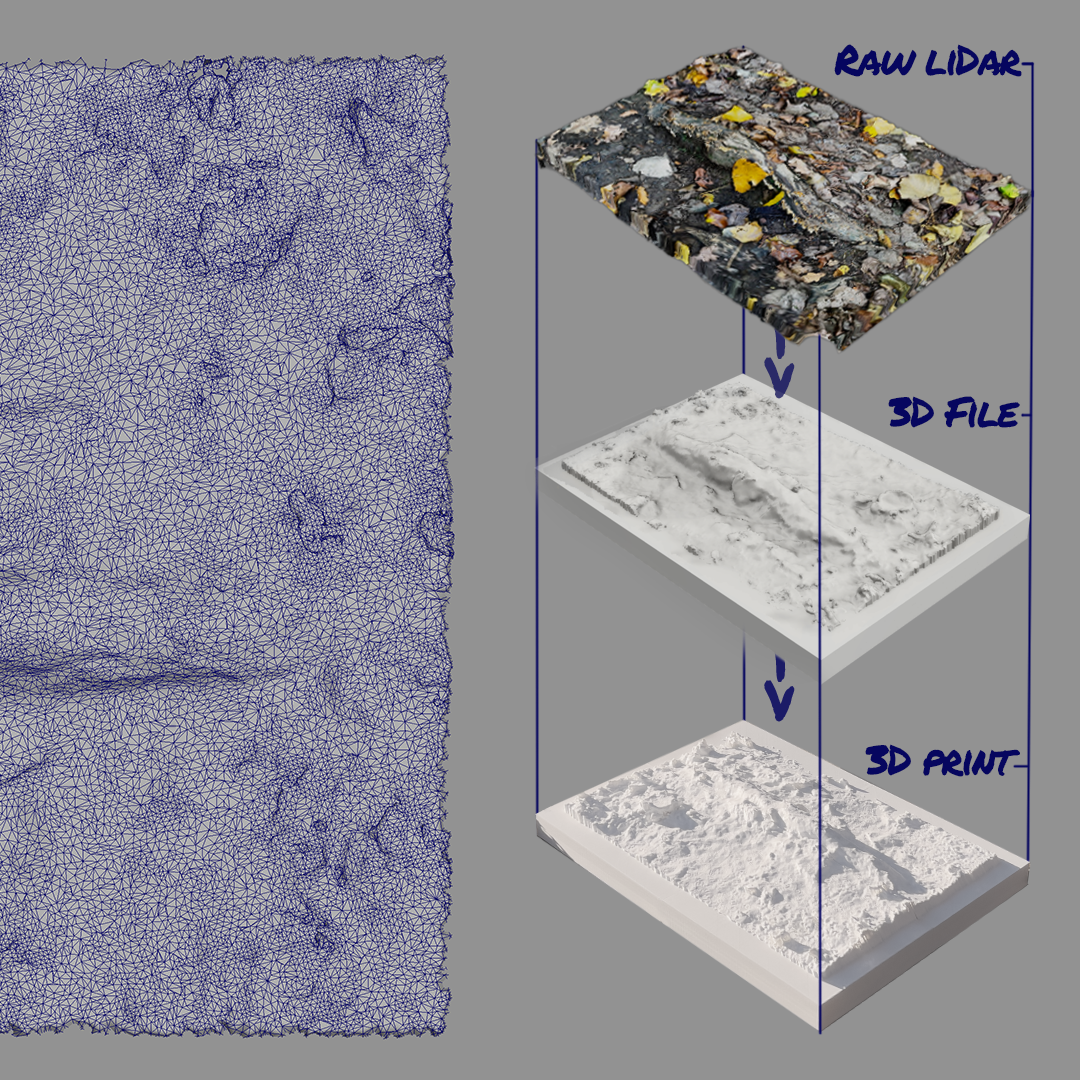
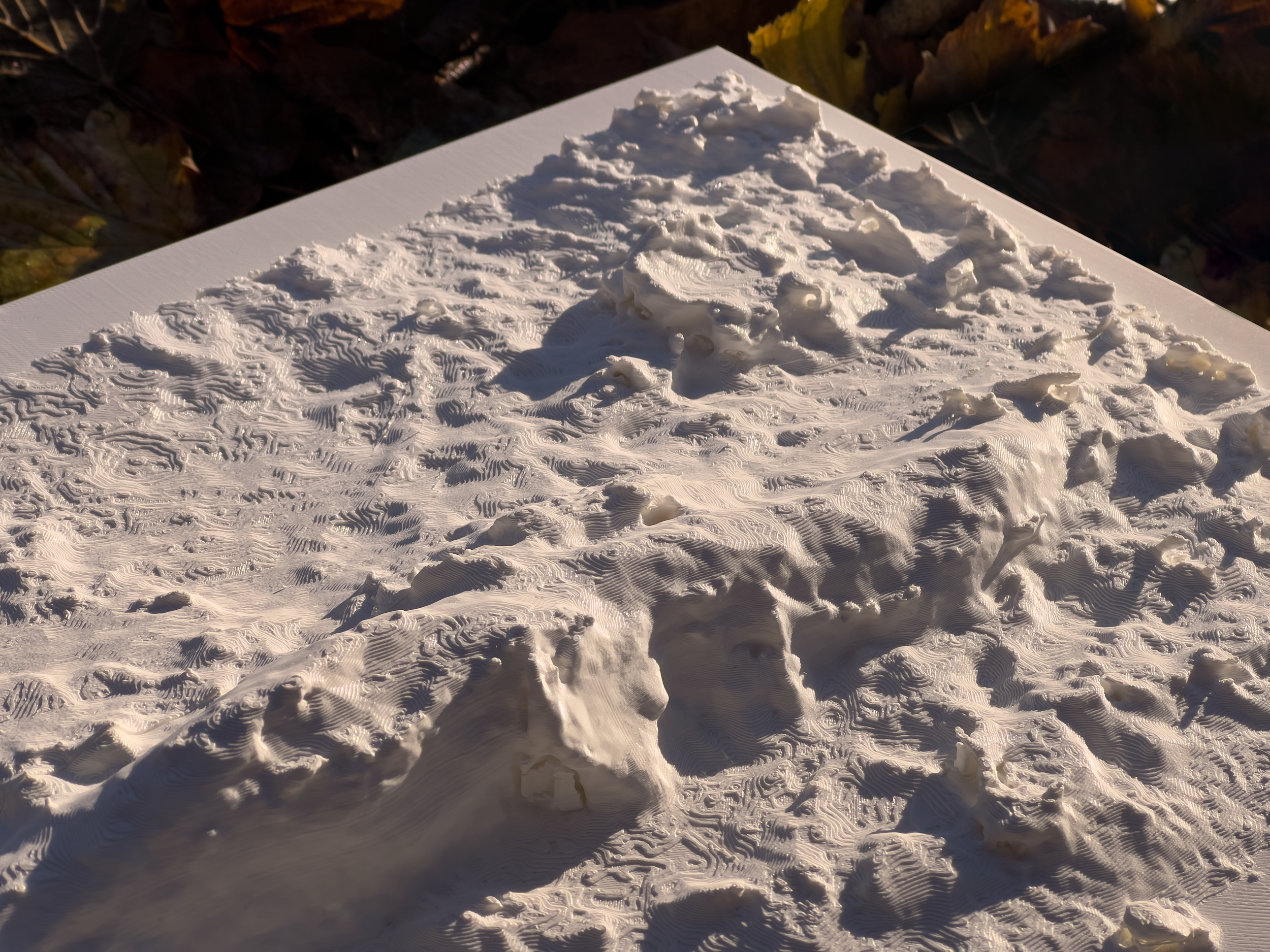
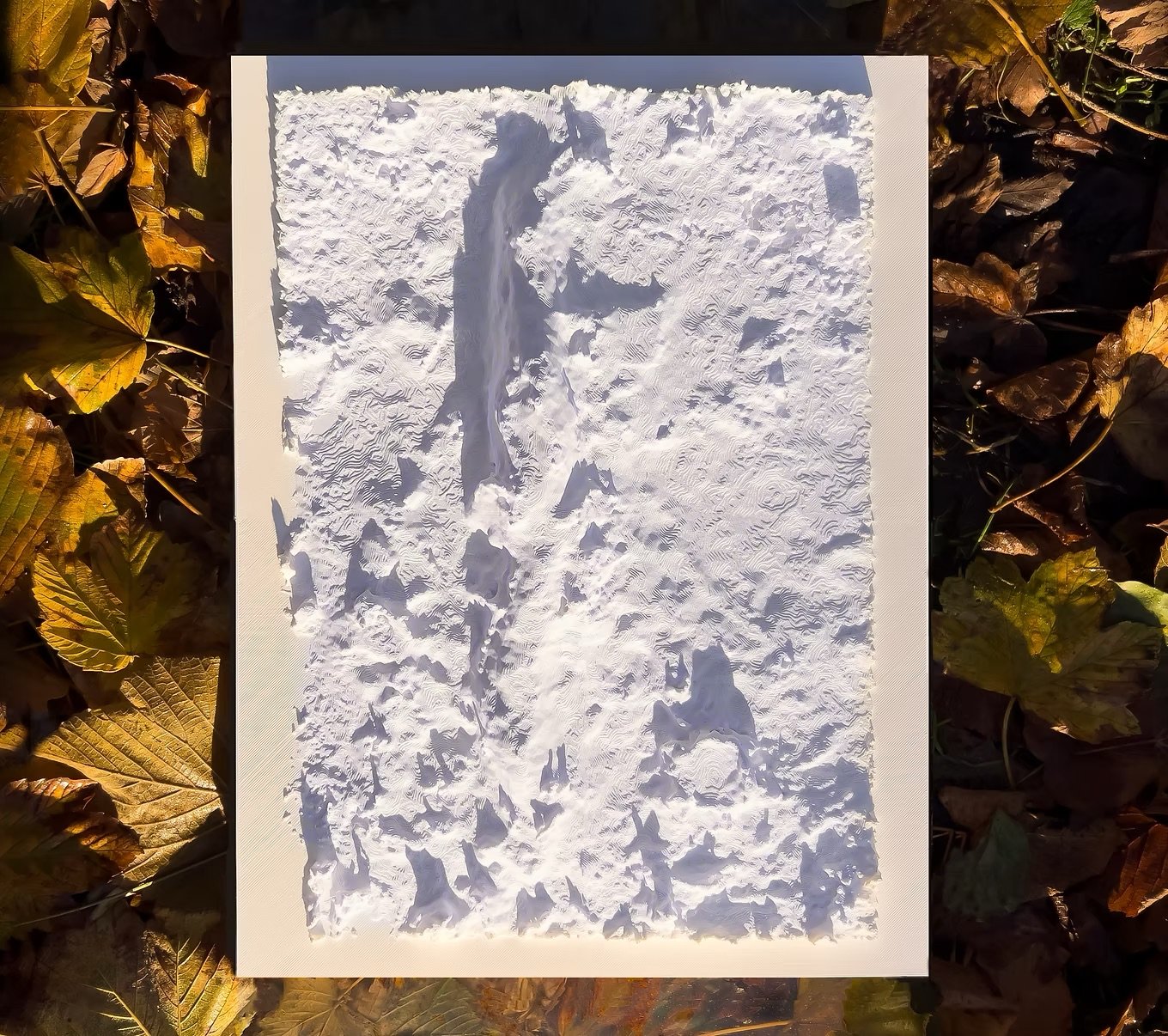
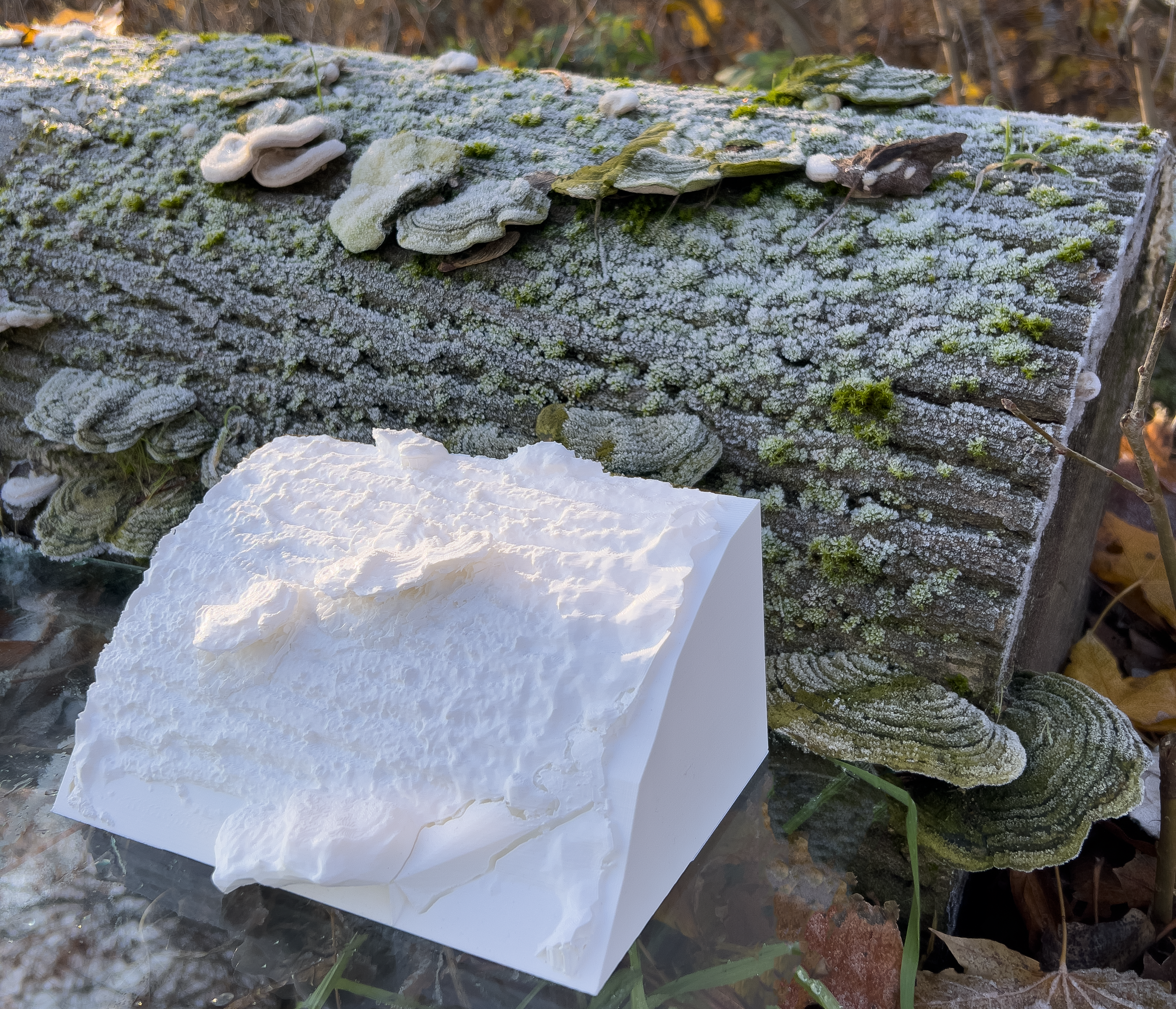
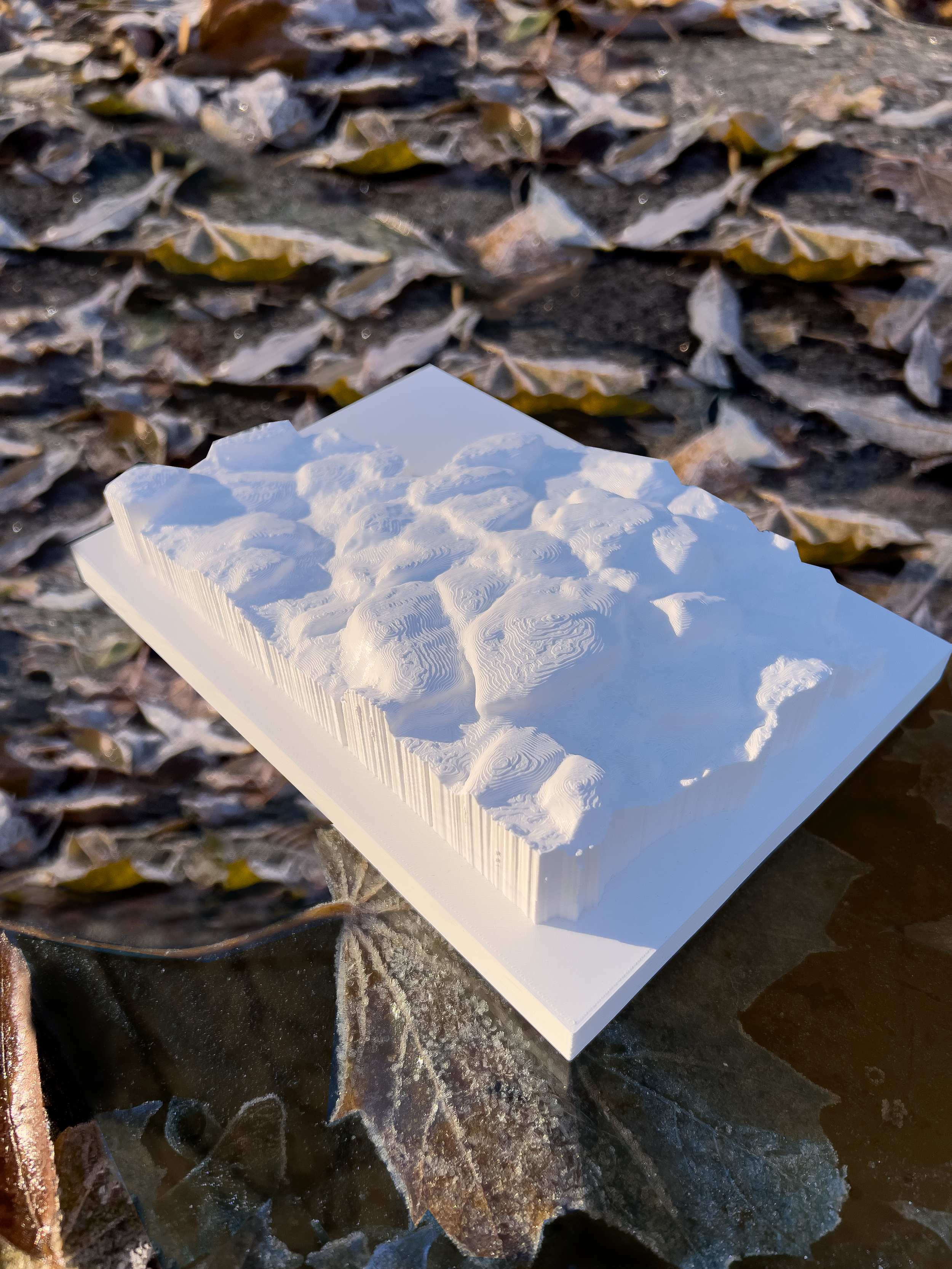
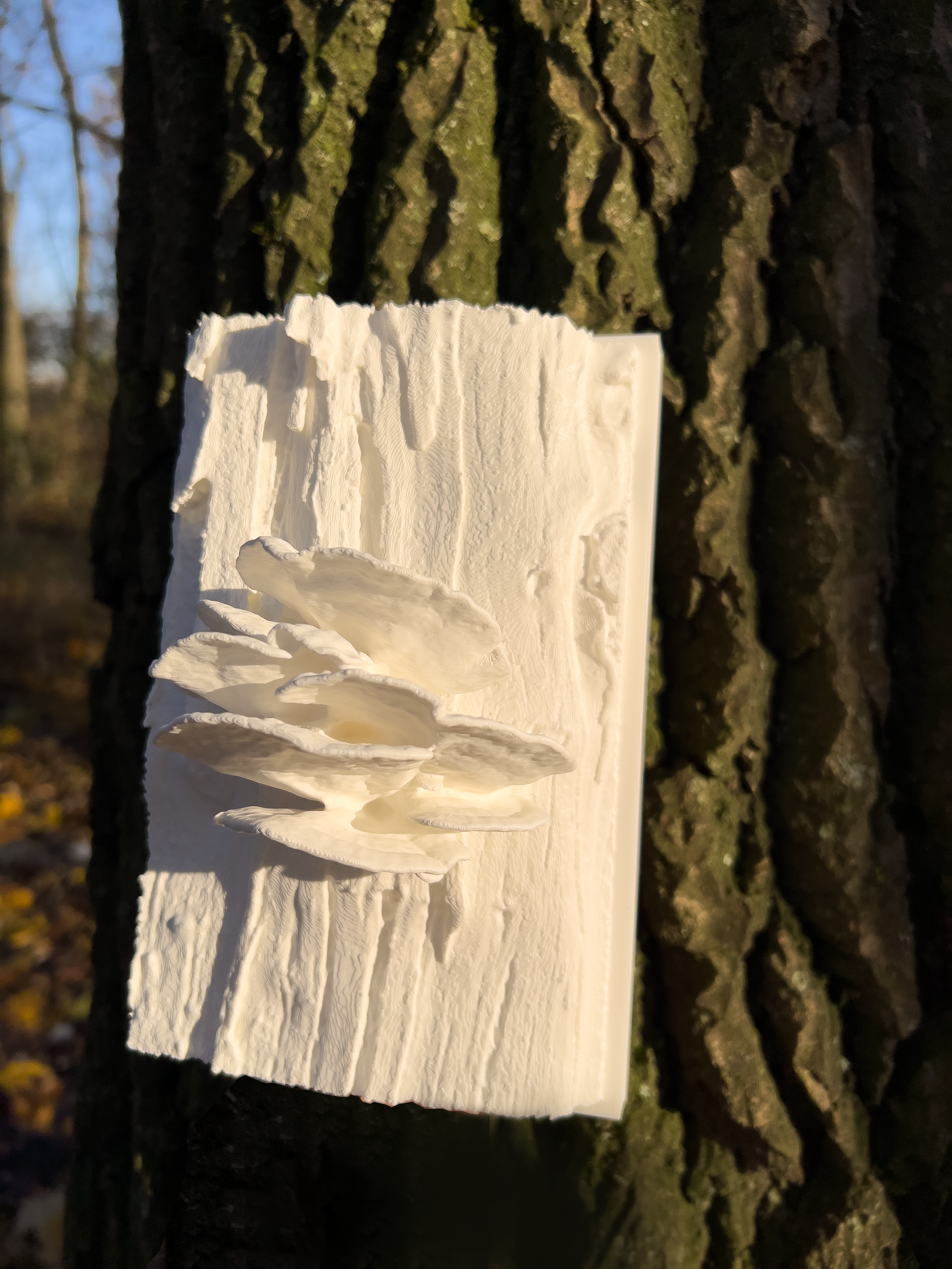
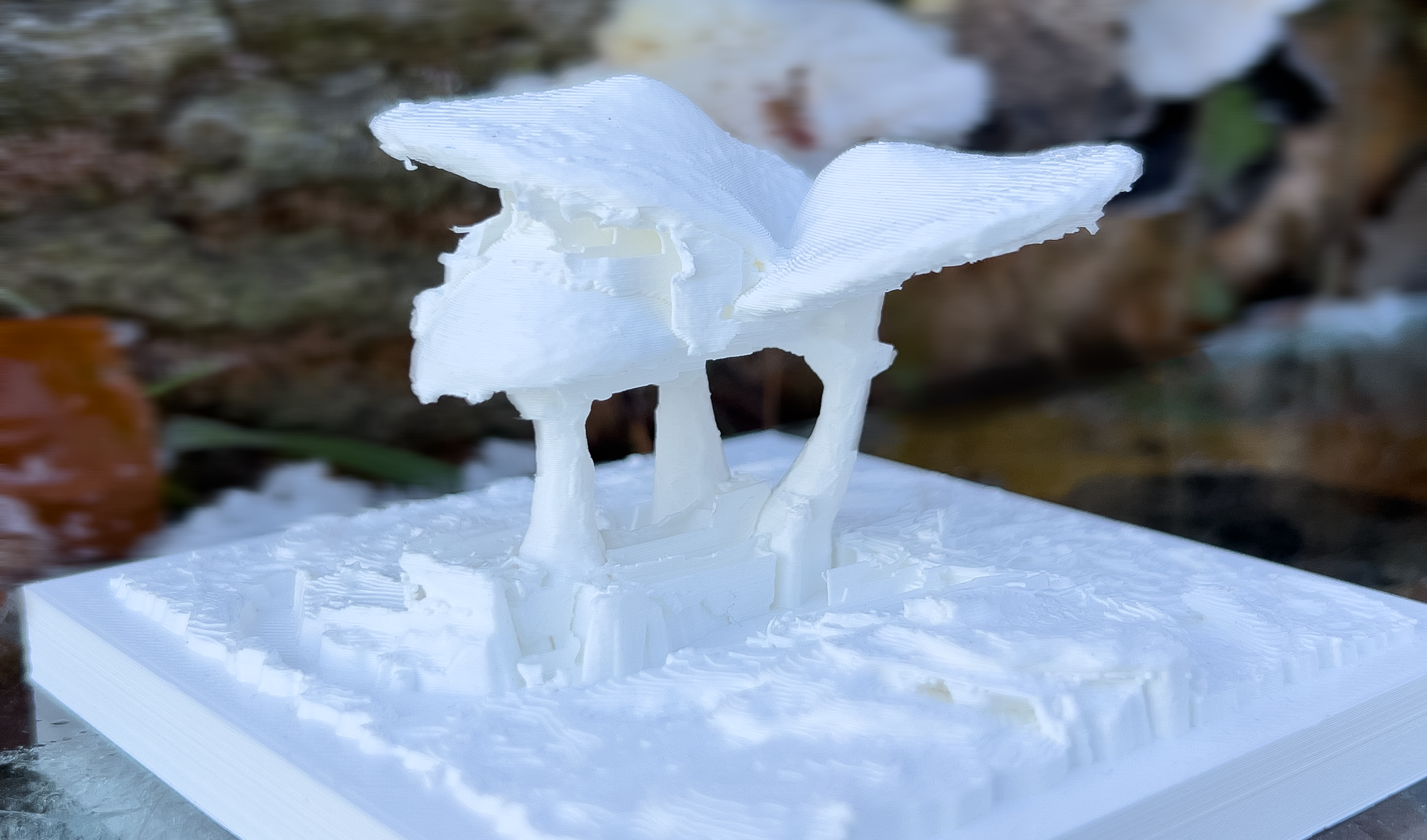
A selection of 3D scans were printed, amongst these a large 50×50 cm multi part print of forest floor, cracked dried soil, frozen soil, a tree trunk with mushrooms, mushrooms on bark
The resulting sculptures exist somewhere between scientific specimen, digital artifact, and artistic interpretation. By stripping away familiar textures and presenting soil as a clean, sculptural form, the work challenges preconceived notions and encourages viewers to focus on the structures, patterns, and complexity hidden beneath the surface.
Credits & Details:
Grit @ WDKA
Special thanks to tutor Olivier Otten