3D Printed NFC Sculptures
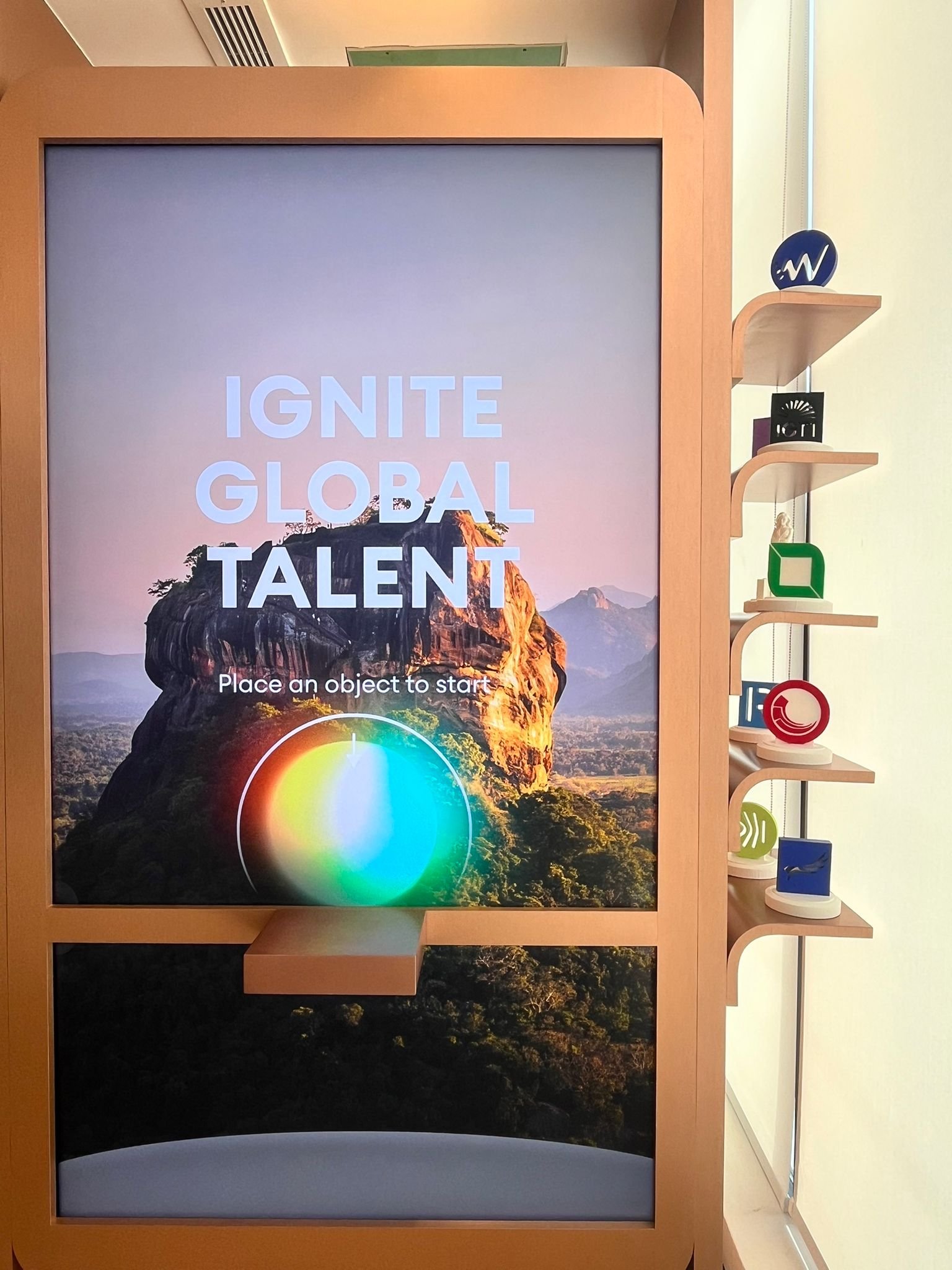
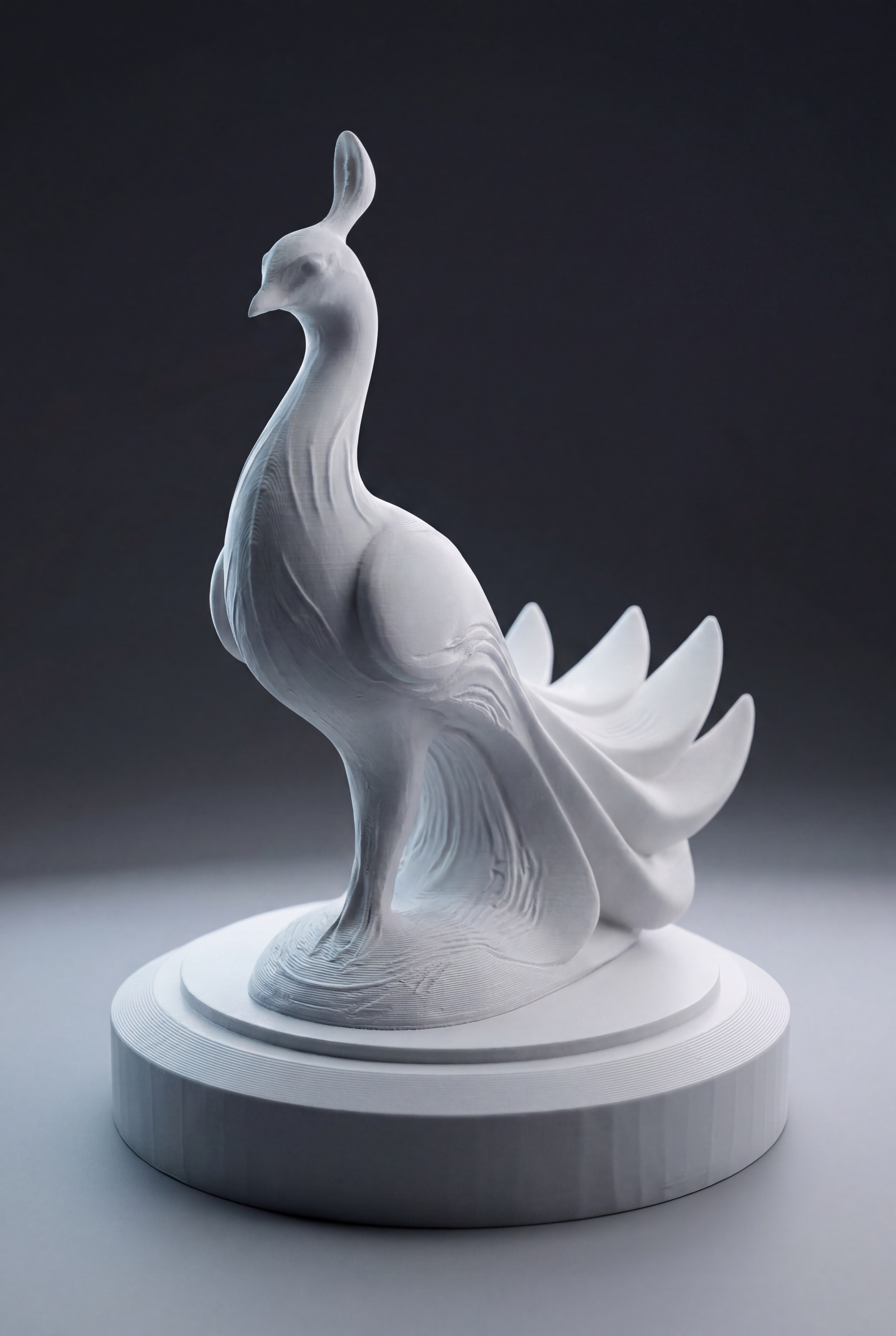
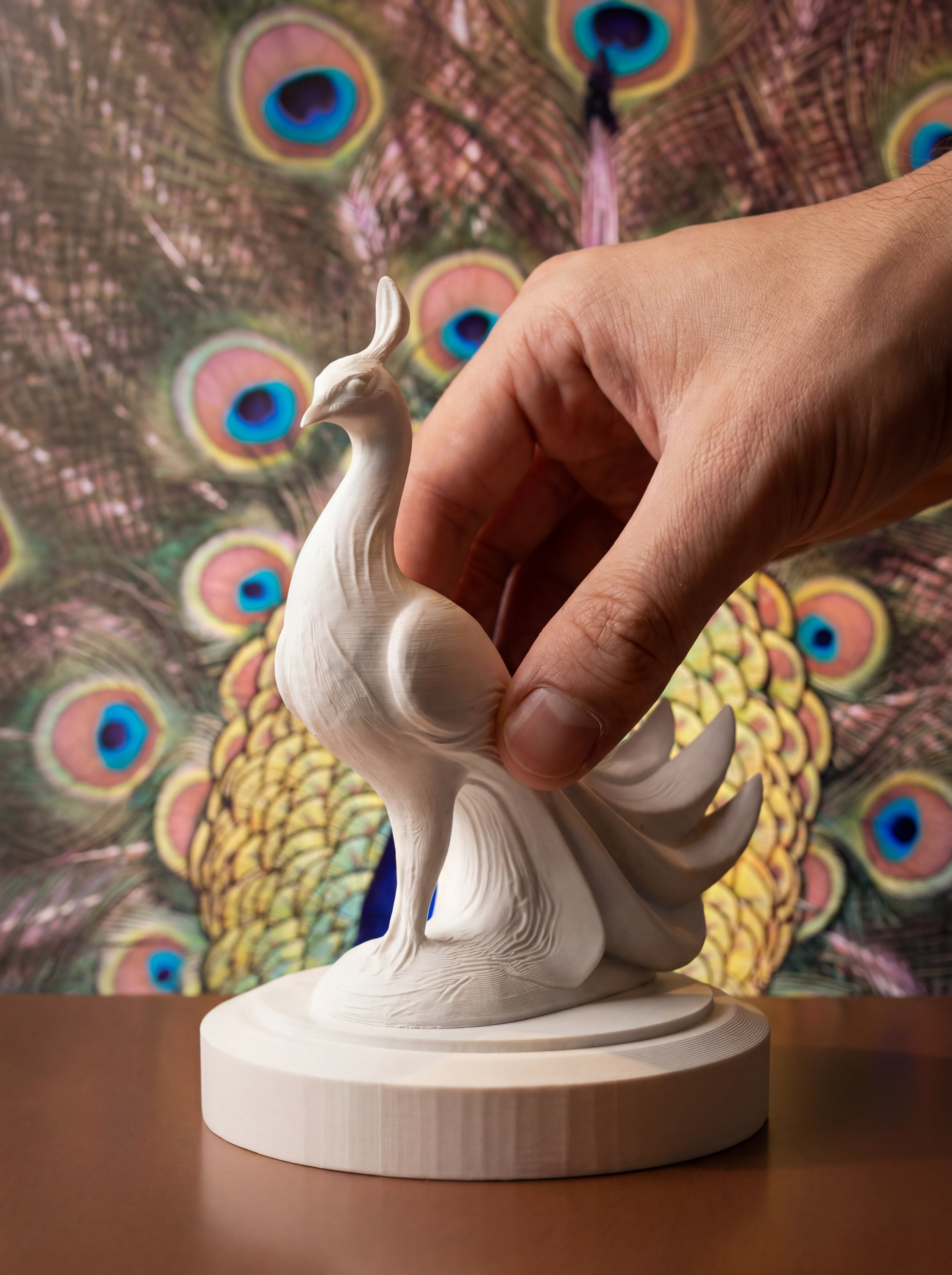
For IGT1 Lanka, a Sri Lanka based IFS subsidiary, a series of 3D printed sculptures were created based on local landmarks, wildlife and the company’s clients.
Created using a combination of AI 3D model generation, 3D modeling and 3D printing, the sculptures enable users visiting IGT1’s experience center to trigger immersive stories through the NFC chips embedded in their base. This bridges the digital content with physical representations.
For IGT1 Lanka @ The Storytelling Company
Year: 2026
AI, 3D Modeling, 3D Printing
Project status: Complete
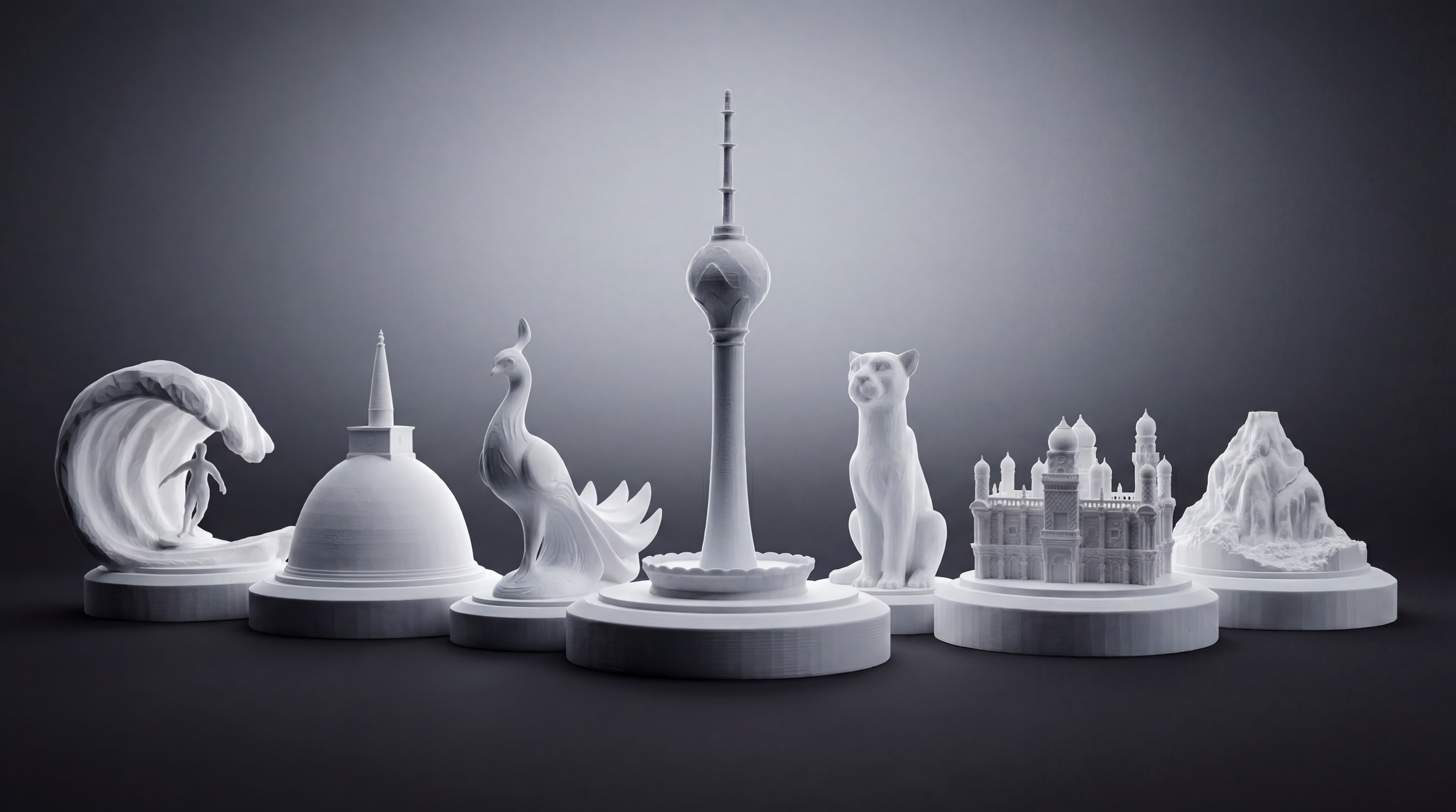
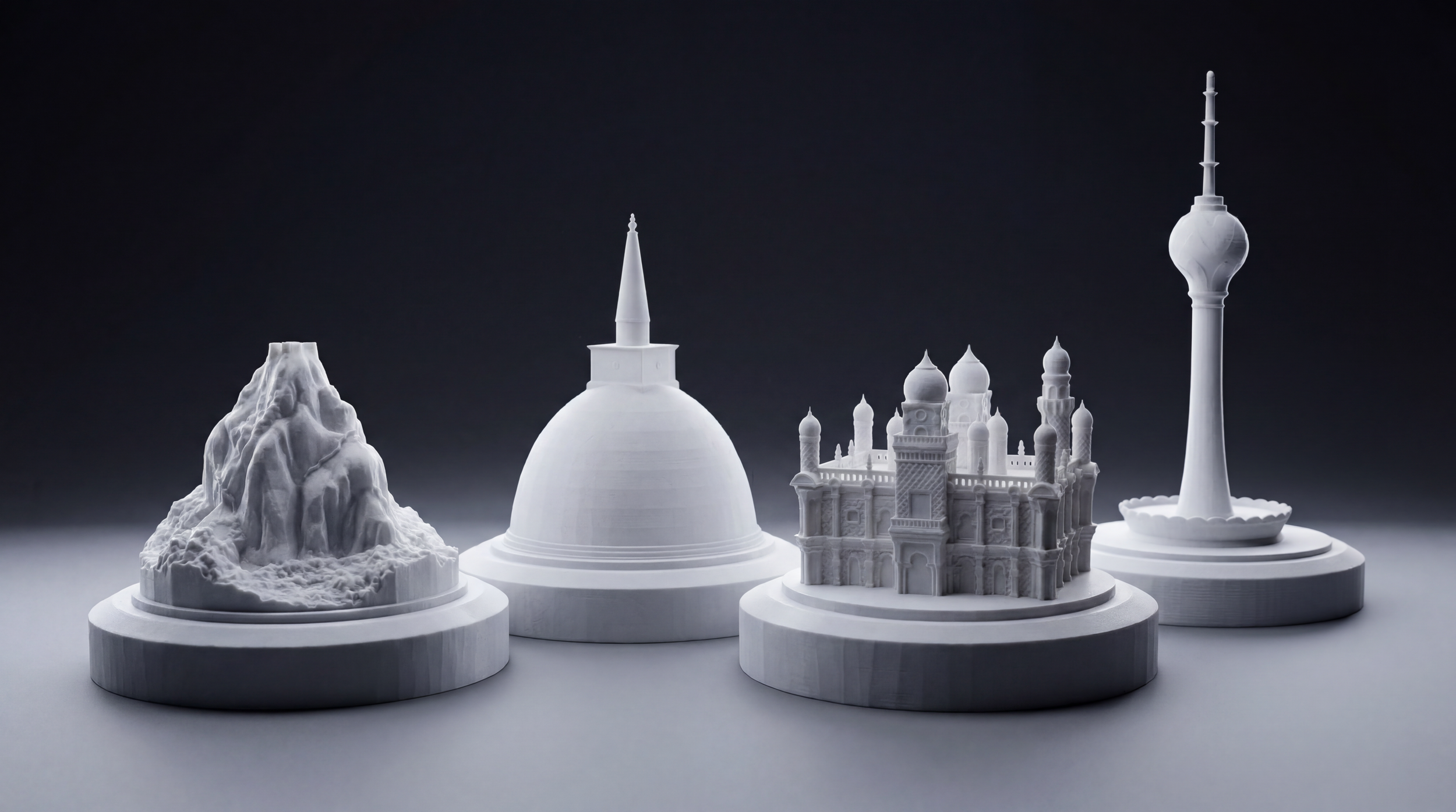
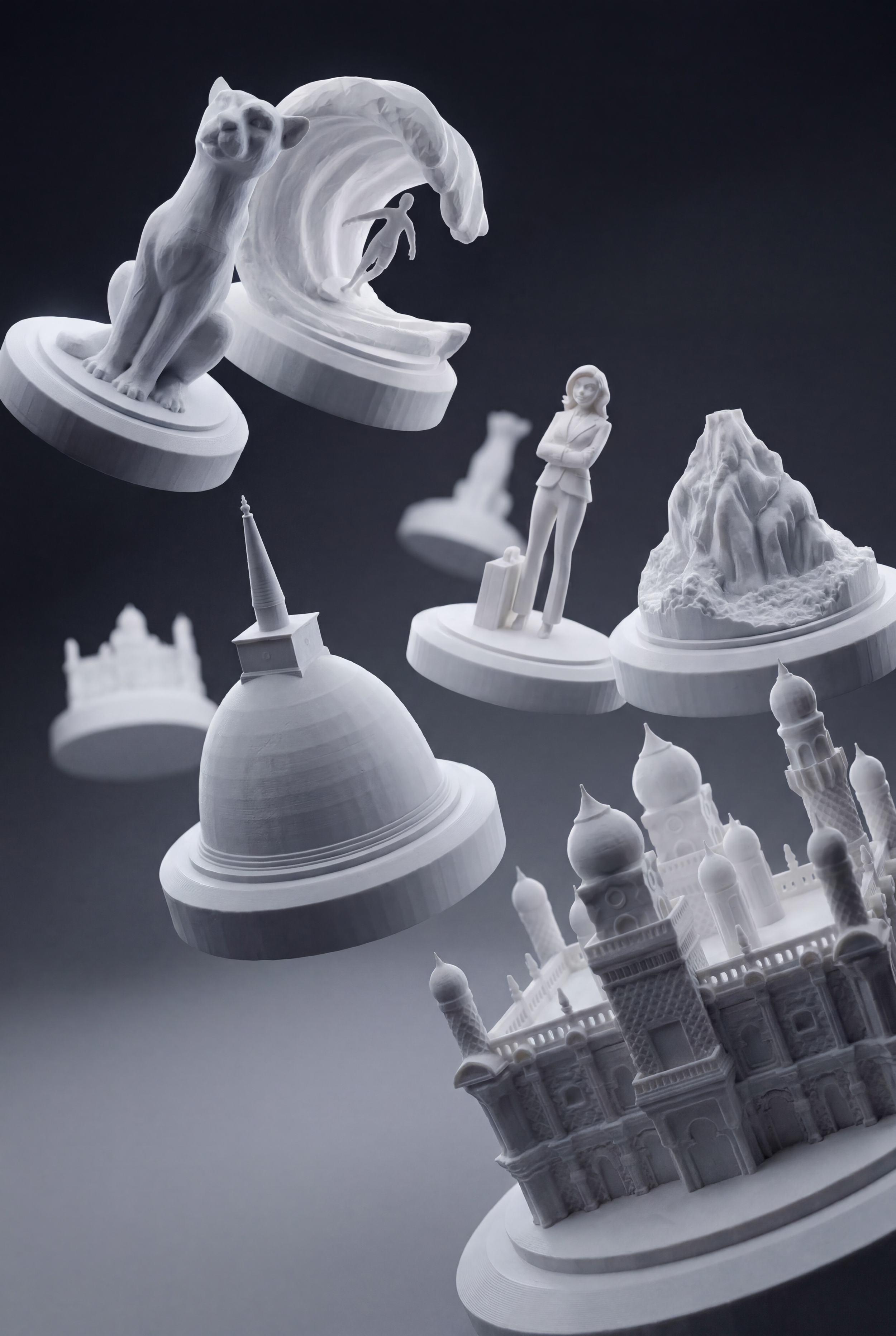
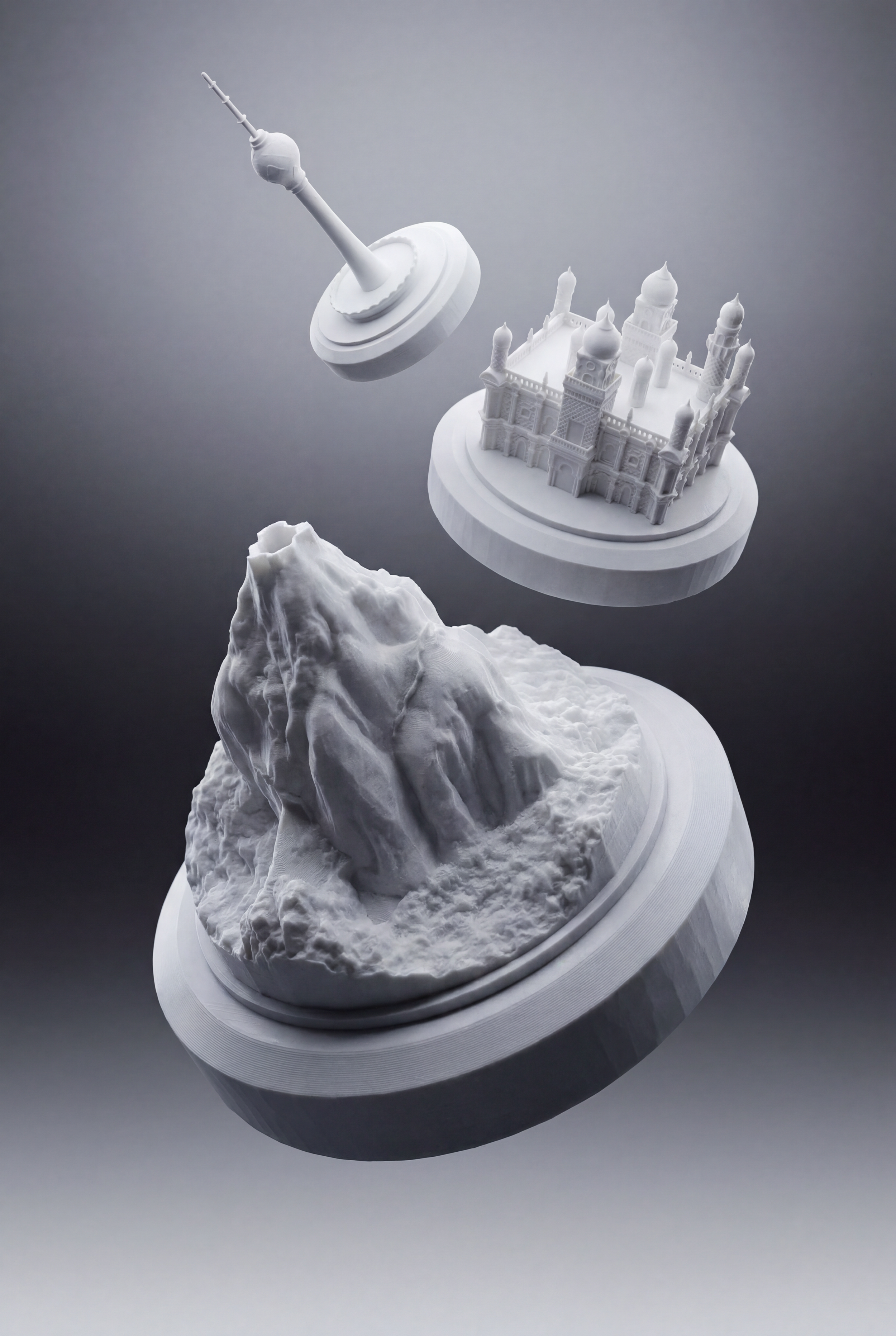
The prints represent several famous Sri Lankan buildings like the Jami Ul-Alfar Mosque, The Stupa, The Colombo Lotus Tower and natural sites, like the famous mountain Adam’s Peak.
Soil is a vital component of the earth's ecosystem, playing a critical role at the micro scale, influencing global processes.
This work presents a series of 3D printed soil sculptures from 3D scans that aim to increase public understanding and appreciation of the world of soil. The sculptures are created using a combination of AI image generation (DALLE-2), 3D scanning (Polycam), and printing, allowing for a fusion of biological and digital elements.
By scanning and converting the scans to models, some natural elements are lost, yet this offers new opportunities for dissection and analysis through polygons, and other means. Through these means soil can be studied, preserved and recreated in a non-destructive way.
Exploring the intersection of biology and technology, this presents new ways of fusing the two elements.
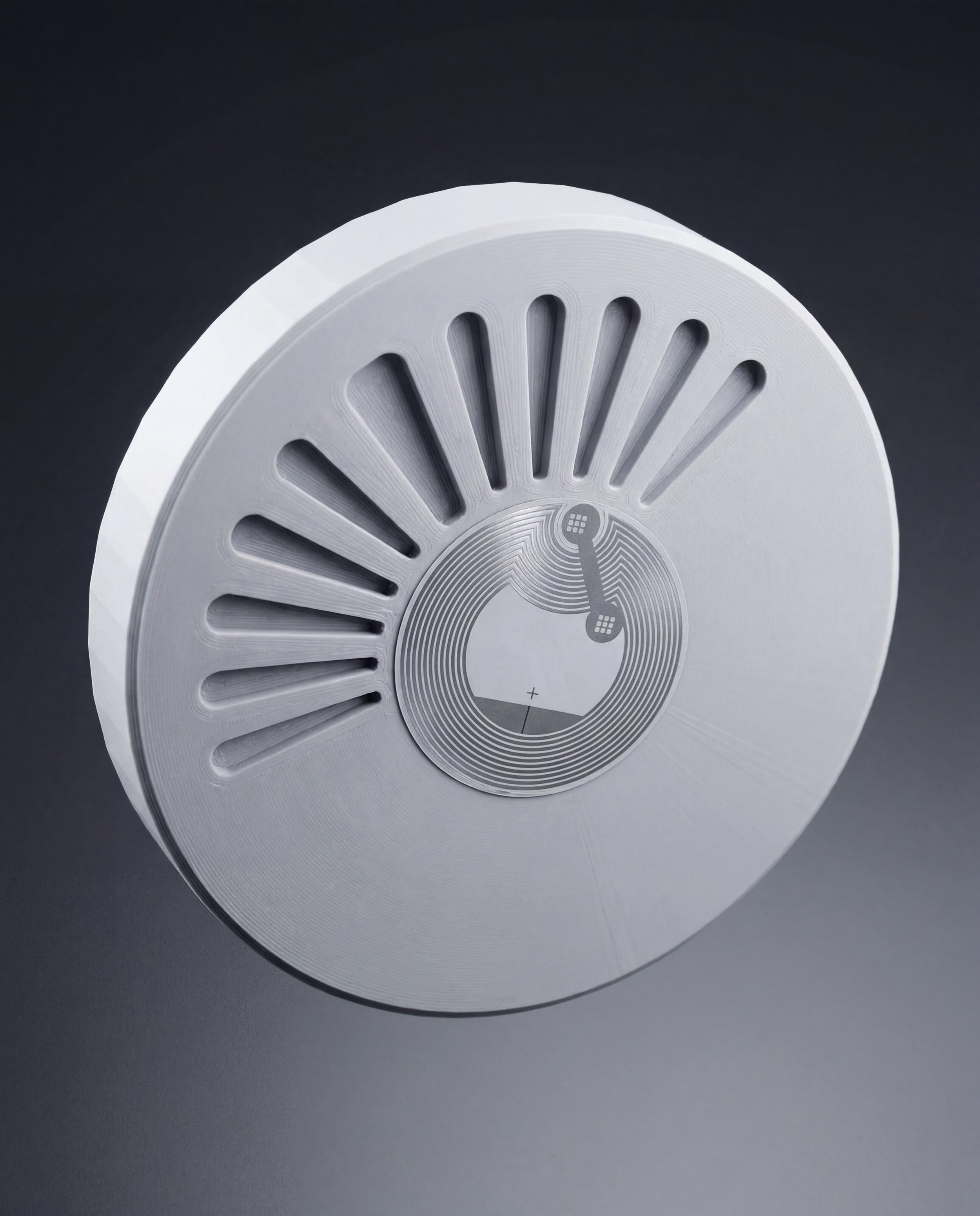
Under the 3D printed sculptures, an NFC chip is attached in order for the content that is connected to the sculptures to be triggered and displayed.
By scanning and converting the scans to models, some natural elements are lost, yet this offers new opportunities for dissection and analysis through polygons, and other means. Through these means soil can be studied, preserved and recreated in a non-destructive way.
Exploring the intersection of biology and technology, this presents new ways of fusing the two elements.
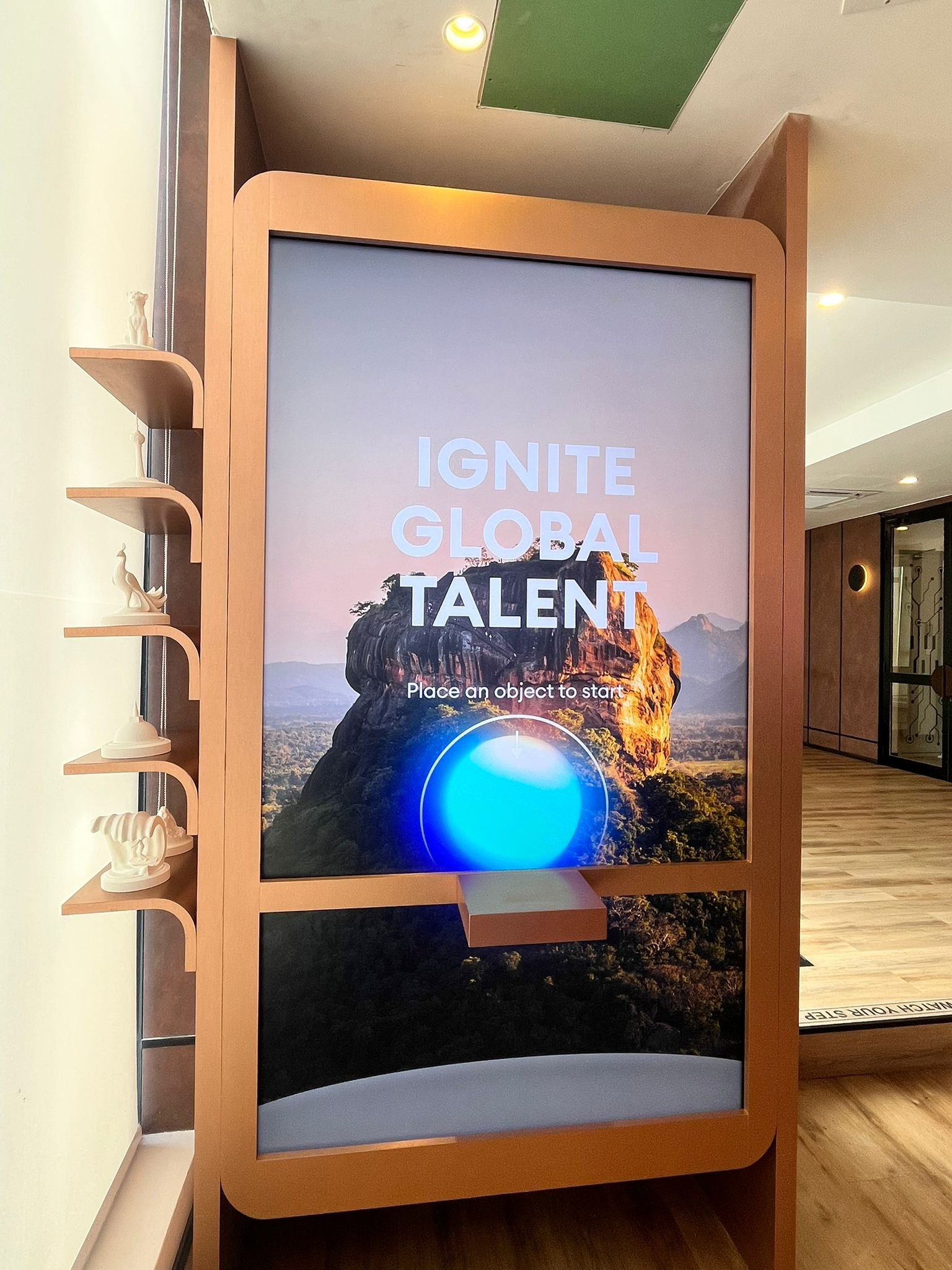
Under the 3D printed sculptures, an NFC chip is attached in order for the content that is connected to the sculptures to be triggered and displayed.
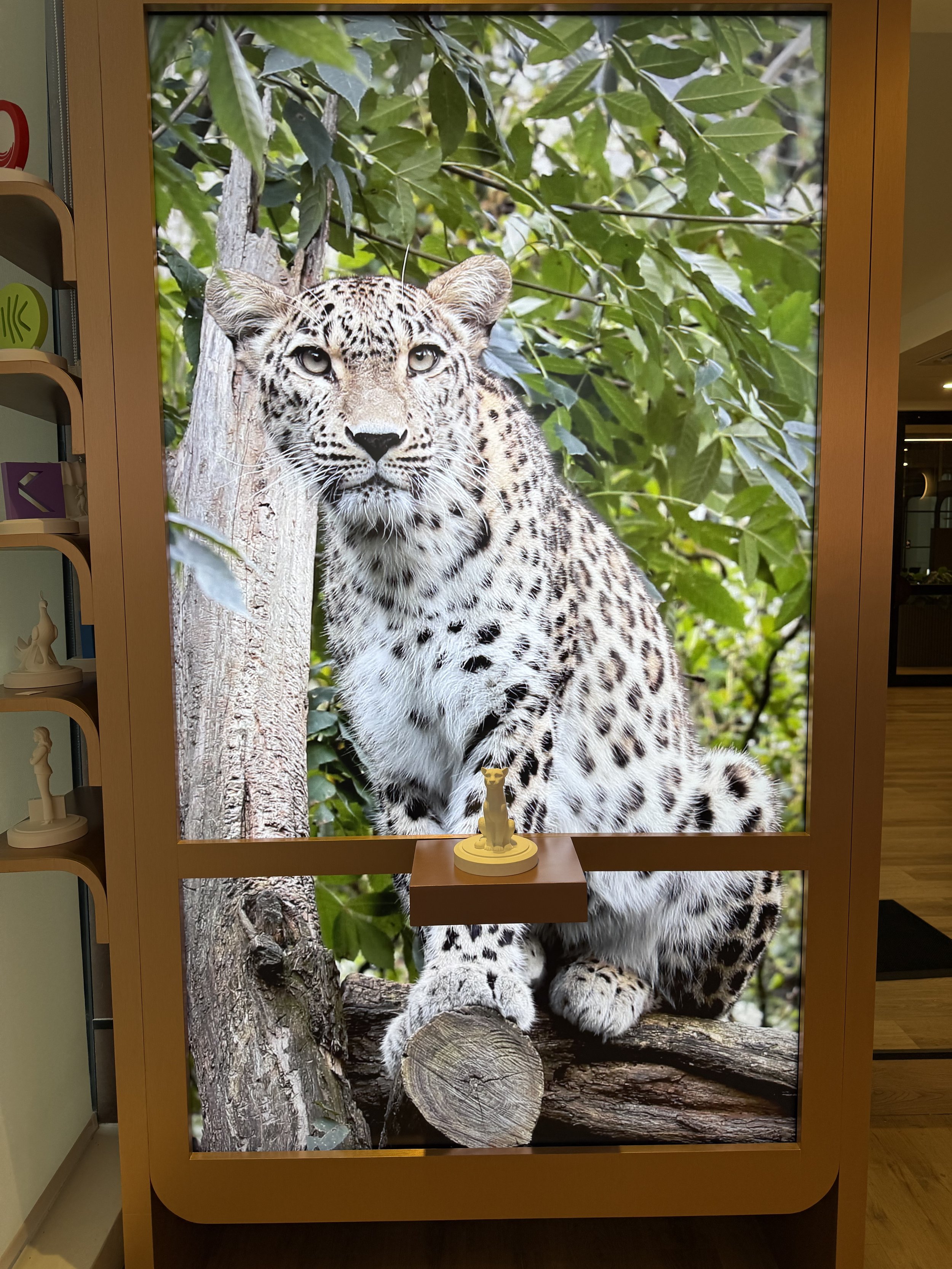

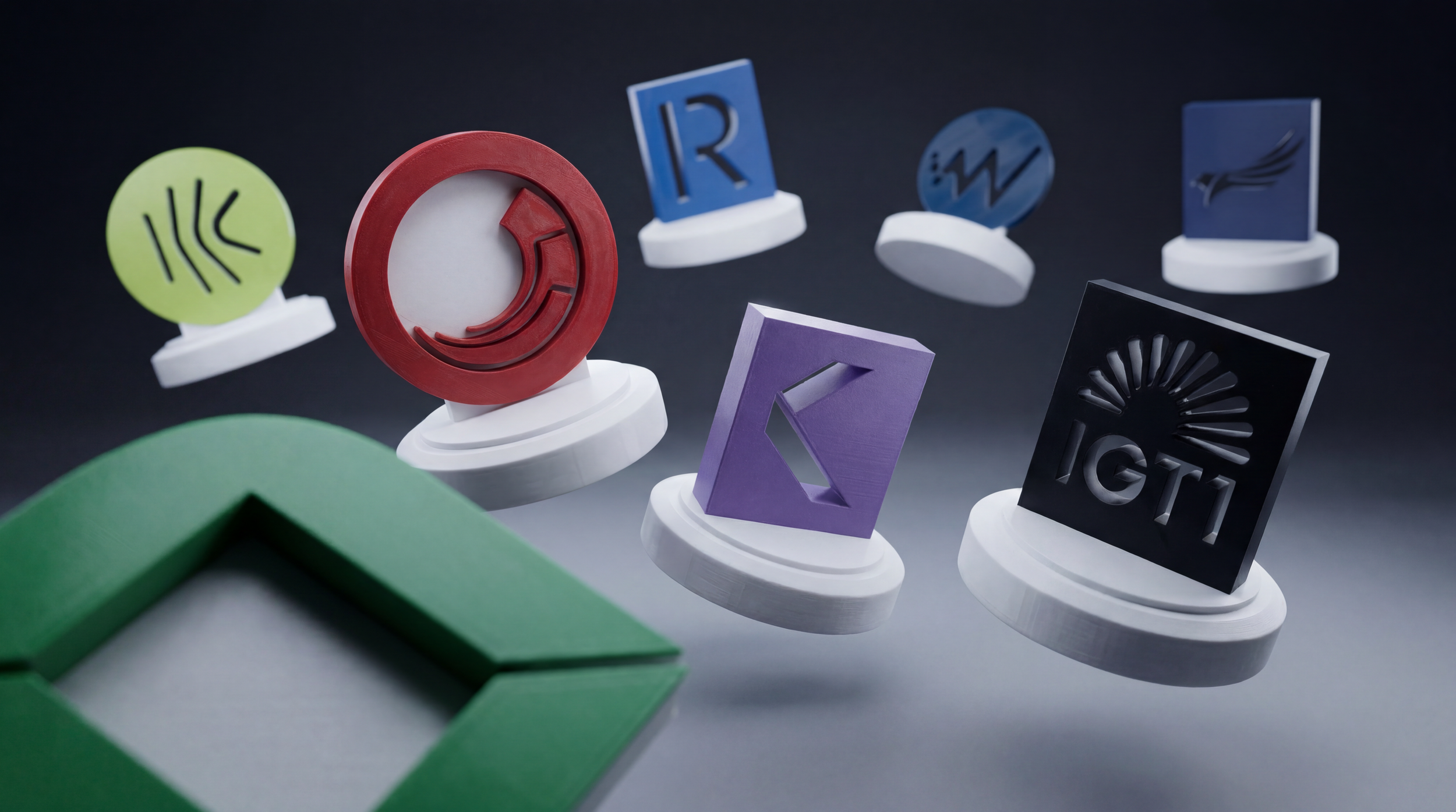
Using modern FDM 3D printers with multi-colour print capacity allowed for representing the company’s clients with their respective brand colors for added recognizability.
As societies grow larger and more complex, their methods of establishing trust — in information, transactions and each other — become increasingly abstract. Although we may not see shaking hands, bowing or kisses on the cheek as being in any way related to facial recognition or cryptographic keys, these ancient gestures can be understood as the first forms in a genealogy of methods — what we might call “technologies of trust” — which enabled familiarity to spread through growing populations.
Historically, offering your hand to a stranger meant disabling the arm you used in combat. Bowing required you to lower your eyes and expose your neck, making yourself vulnerable in order to generate trust. When we stand opposite someone, or offer our cheek, we can feel reasonably confident about the intentions and the identity of the person we are dealing with. But as humans outgrew their tribal origins and began to form larger and more intricate communities, we needed to find new ways of scaling confidence and reassurance across ever-greater distances.
Technologies of trust beyond the body include things like wax seals, badges, uniforms and stamps, physical instantiations that represent a person, their family or a larger institution. Over time, as this technical apparatus grew, becoming increasingly computerised in the 20th century, new tools for forgery, deception, and counterfeiting were devised.